
Italian restaurant near the Dominion Theatre
The Dominion Theatre stands on Tottenham Court Road, close to Centre Point and St Giles Circus, at the edge of the West End. If you've got tickets and fancy ...
Read the story
Dinner's done, the tiramisu is on its way, and someone asks for a brandy. If you've ever wondered what the letters on a Cognac bottle mean, or why Cognac is different from other brandies, this short guide is for you. You'll find several on the back bar at Fiena, our family-run Italian cafe, bar and restaurant at 4 Medway Court, Judd Street, London WC1H 9QX, a few minutes' walk from King's Cross St Pancras.
All Cognac is brandy, but not all brandy is Cognac. The name comes from the town of Cognac in western France, and to use it, the spirit has to be made in an officially defined area in the Charente and Charente-Maritime departments. The rules are strict, from the grapes to the stills to the barrels.
The main grape is Ugni blanc, which Italians will know better as Trebbiano. The white wine made from it is very dry, sharp and thin, and only about 7 to 8% alcohol, so you wouldn't want to drink it. But it's perfect for distilling.
The wine is distilled twice in traditional copper pot stills, called Charentais alembics. What comes out is a clear spirit of about 70% alcohol. It then has to age for at least two years in French oak barrels, from the Limousin or Tronçais forests, and most Cognac spends much longer in the barrel than that.
While it ages, around 3% of the spirit evaporates through the wood every year. The locals call this la part des anges, "the angels' share". Most Cognac is a blend of spirits of different ages, put together by a master taster, the maître de chai, so that each house's Cognac tastes the same from year to year.
The age on a label is the age of the youngest spirit in the blend:
Why English and not French? Because in the 18th century, much of the Cognac trade ran through Britain. Four big houses, Courvoisier, Hennessy, Martell and Rémy Martin, make a large share of it. Courvoisier is even nicknamed "the Cognac of Napoleon". Traditionally it's served in a snifter, a short-stemmed glass with a wide bowl, so your hand can warm it and release the aroma. Background from Wikipedia's Cognac page.
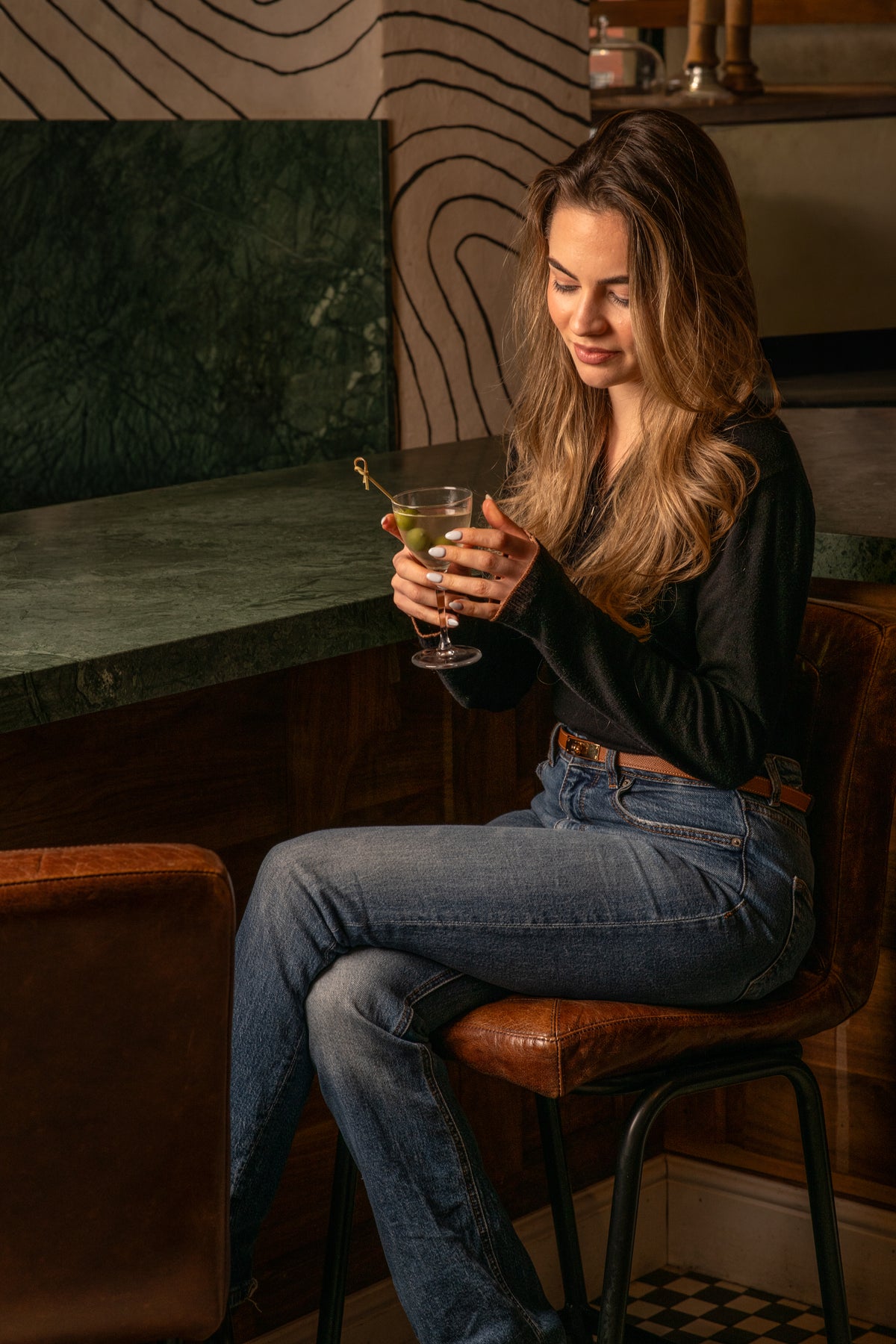
On our drinks menu, the brandy list includes Hennessy, Courvoisier VS, Rémy Martin and Courvoisier XO, plus Metaxa. Spirits are poured in 25ml measures. So if you want to taste the difference between a young VS and an XO aged at least ten years, you can try both side by side. If you prefer whisky or bourbon, see our guide to our whisky, bourbon and tequila.
A brandy is a classic way to finish a meal, and it goes well with something sweet. From our dessert menu:
Or just have it with an espresso. See our posts on tiramisu, gelato and affogato, soufflé al cioccolato, profiteroles and Italian coffee.
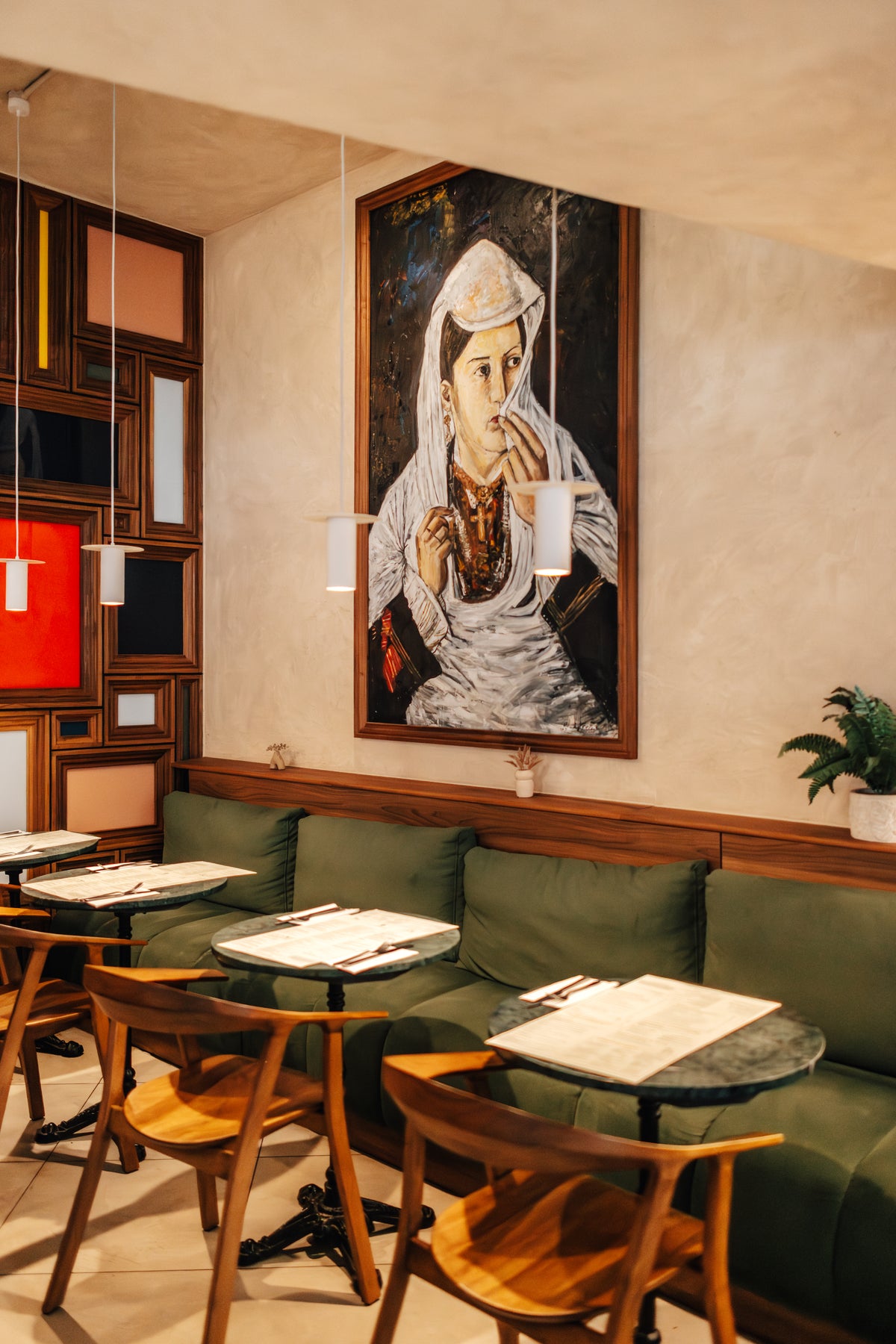
Guests often save room for the sweet course. Ayub wrote: the desserts were genuinely impressive (the tiramisu was a highlight!).
(Ayub, Google review) And Katelyn: Highly recommend this cosy, inviting place to anyone looking for a good bite!
(Katelyn, Google review)
“could eat here everyday… outstanding service”
Shakib, Google reviews, 2026
A Cognac, a tiramisu and a quiet corner, a few minutes from King's Cross. Book a table or just walk in. Please drink responsibly.
The Dominion Theatre stands on Tottenham Court Road, close to Centre Point and St Giles Circus, at the edge of the West End. If you've got tickets and fancy ...
Read the storyLook down the brandy list at most bars and you'll see French cognac. Ours has something else too: Metaxa, a Greek spirit with a story all of its own. At Fien...
Read the storyRisotto is one of those dishes that looks simple and isn't: just rice, stock, butter and cheese, yet it comes out rich and silky. At Fiena, our family-run It...
Read the story
